
What Is the Software Testing Life Cycle (STLC)? A Complete Guide with Phases:
What Is Software Testing?
Software Testing is a process of verifying and validating whether the Software Product or Application is working as expected or not. The complete testing includes identifying errors and bugs that cause future problems for the performance of an application Software testing is essential to ensure that applications work correctly, perform well, and are free from critical bugs before reaching users. It helps identify issues early, improves software quality, and enhances user experience.
What is the software testing lifecycle?
The software testing lifecycle (STLC) is a framework for managing the specific tasks involved in testing applications. The STLC is a key part of the software development lifecycle (SDLC) and is conducted in parallel to development. During the STLC, testers will validate the functionality of the software against requirements, look for defects in applications, and evaluate the quality of the user experience. To better organize testing, minimize error, and increase efficiency in the process, the software testing lifecycle is broken down into a series of steps or phases that QA and DevOps teams can implement, relying on best practices to manage testing in a thorough, systematic, and productive fashion.
The 6 Stages of the Software Testing Life Cycle (STLC):
1. Requirement Analysis

The Requirement Analysis stage is the first step of the STLC. At this phase, the Quality Assurance (QA) team carefully studies the project requirements to understand what needs to be tested. If any requirement is unclear or incomplete, the team collaborates with stakeholders for clarification.
Key Activities:
- Reviewing the Software Requirements Document (SRD) and related materials
- Conducting interviews with stakeholders for deeper insights
- Identifying ambiguities, inconsistencies, or missing details in the requirements
- Analyzing potential risks that may impact the testing process
- Creating a Requirement Traceability Matrix (RTM) to map each requirement to corresponding test cases
2. Test Planning
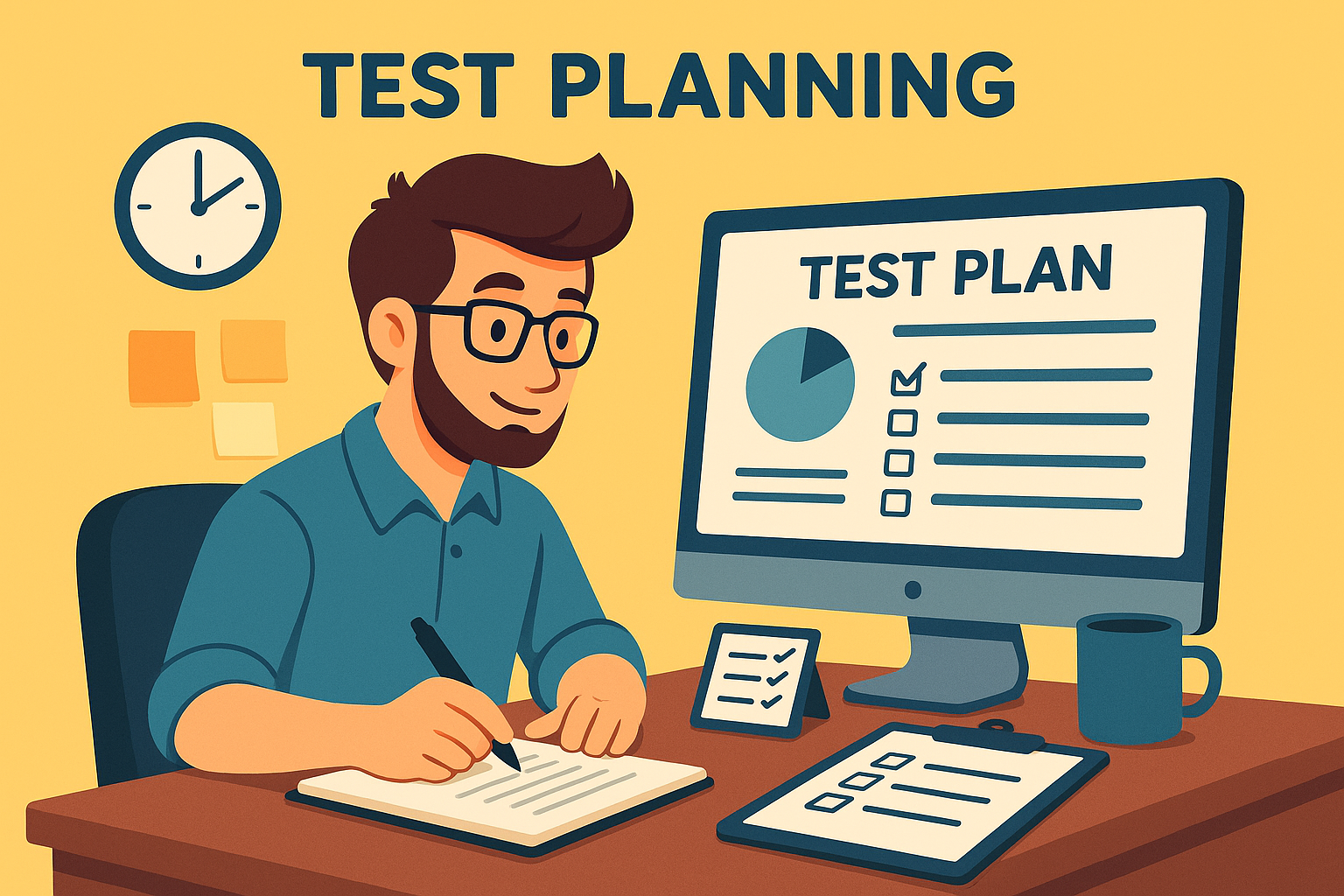
Test Planning is a critical phase where the overall strategy for testing is outlined. The test manager estimates the effort, cost, and resources required, and defines the scope and objectives.
Key Activities:
- Defining testing objectives and scope
- Selecting appropriate testing methods and tools
- Identifying the testing environment and required resources
- Estimating timelines and costs
- Listing deliverables and setting milestones
- Assigning responsibilities across the testing team
- Documenting and reviewing the test plan
3. Test Case Development
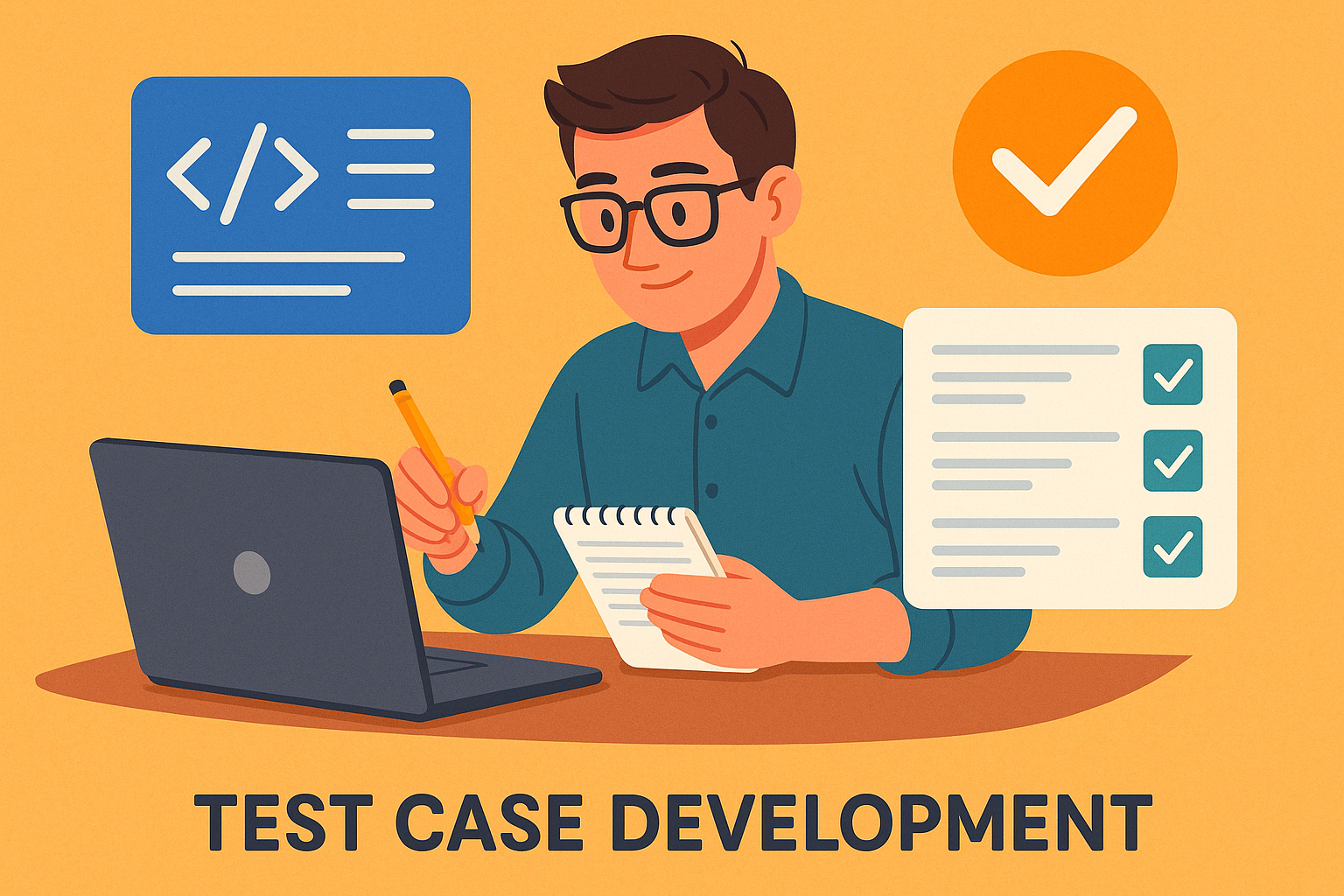
Once the plan is ready, the Test Case Development phase begins. Here, the testing team writes detailed and structured test cases and prepares the required test data.
Key Activities:
- Creating test cases based on the defined requirements
- Ensuring test cases are clear, concise, and cover all scenarios
- Generating required test data and identifying expected outcomes
- Reviewing and validating test cases
- Updating the RTM with traceability of test cases to requirements
4. Test Environment Setup
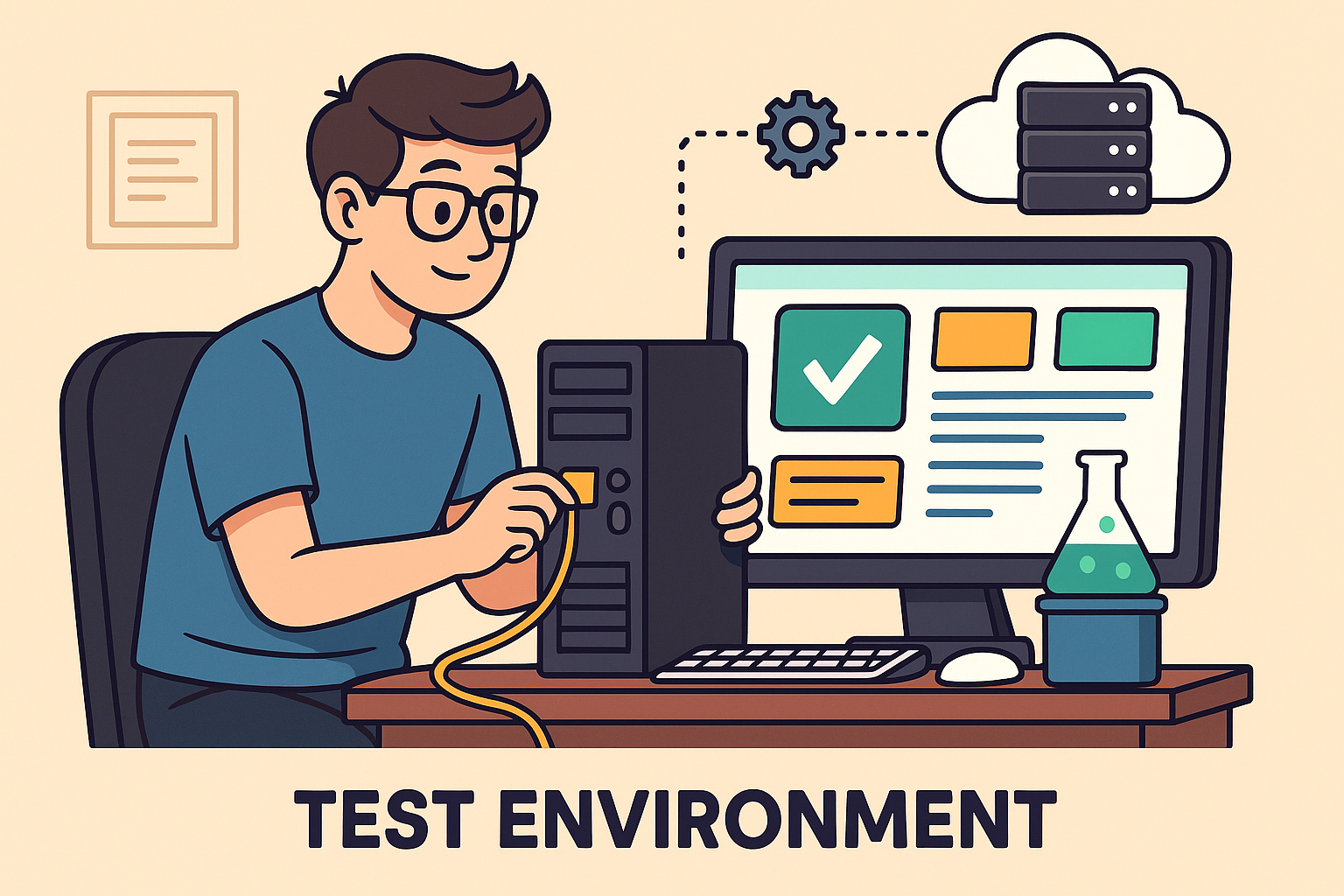
The Test Environment Setup phase establishes the hardware, software, and network configurations necessary to run test cases. Although this task is usually handled by developers or system admins, it is a crucial prerequisite for test execution.
Key Activities:
- The environment should replicate the production system as closely as possible
- Can be initiated alongside test case development
- Ensures all dependencies are configured and systems are accessible for testing
5. Test Execution
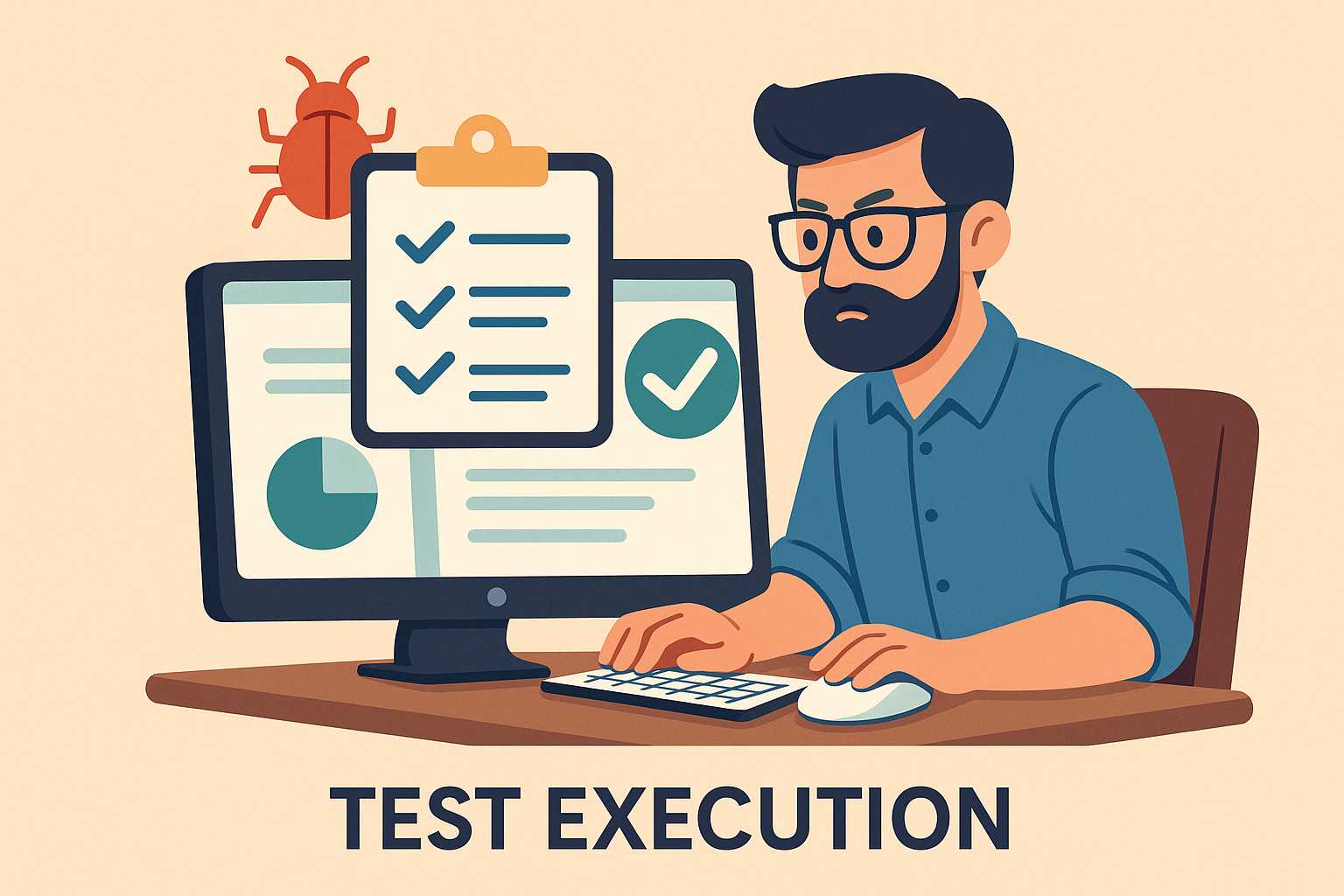
This is the action phase where testers execute the test cases, report defects, and validate the software functionality
Key Activities:
- Executing test cases and logging results
- Identifying and documenting bugs in a defect tracking system
- Preparing and managing test data
- Retesting resolved defects to confirm fixes
- Performing regression testing to ensure new changes haven't broken existing features
- Generating test result reports and communicating with stakeholders
6. Test Cycle Closure
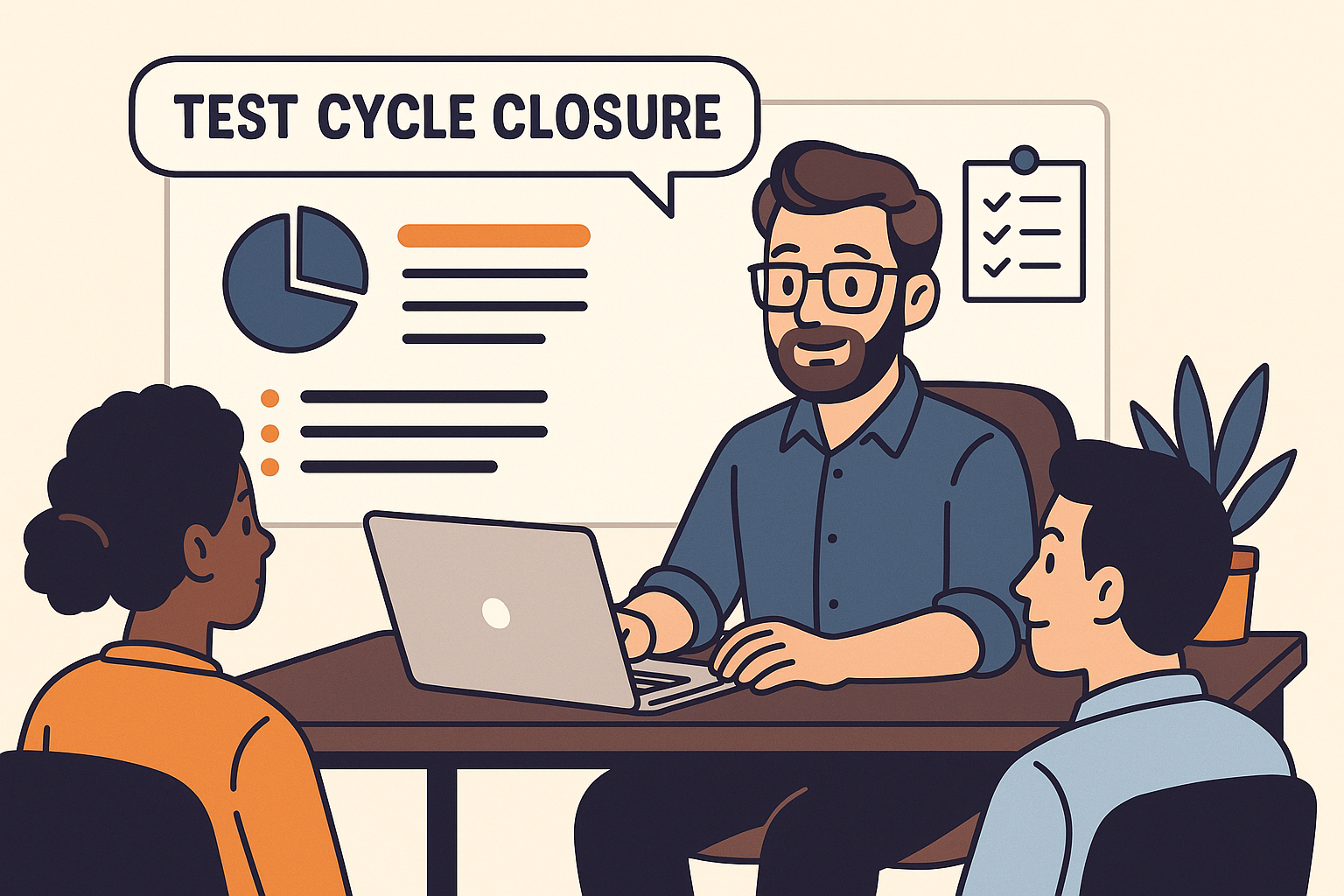
Test Closure is the final phase of the STLC. It wraps up all testing activities and ensures everything has been documented and shared appropriately.
Key Activities:
- Preparing a Test Summary Report outlining the overall test execution and defect status
- Closing out all test environments and archiving test artifacts
- Creating a Test Closure Report with key metrics, outcomes, and resources used
- Conducting meetings for knowledge transfer to support or development teams
- Capturing lessons learned to improve future testing processes
Implementing STLC in Every Project We Deliver
In our organization, we diligently follow all the stages outlined in the Software Testing Life Cycle (STLC) to ensure a comprehensive and high-quality project delivery. From the initial requirement analysis to the final test closure, each phase is executed with precision and collaboration. By adhering to this structured process, we ensure that every project is thoroughly tested, meets stakeholder expectations, and is ready for deployment with confidence. Our commitment to each stage of the STLC allows us to consistently deliver reliable, efficient, and successful software solutions.